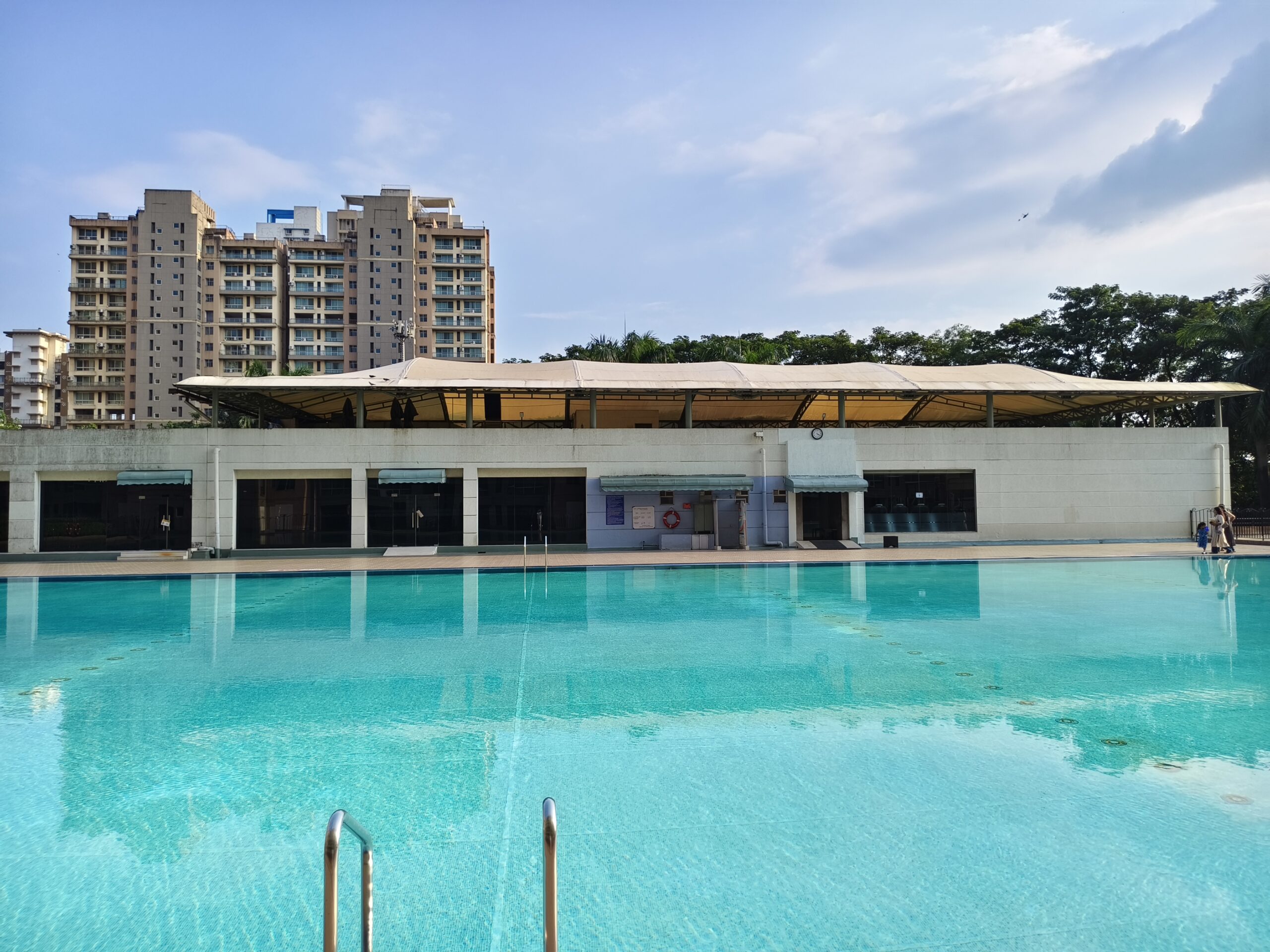

Of all the amenities that define luxury and leisure in a city as dense and demanding as Mumbai, the swimming pool holds a unique place. It is an oasis of blue, a symbol of an aspirational lifestyle, and a coveted feature in the city’s residential and commercial towers. However, in a metropolis where every square foot is meticulously legislated, the provision of a swimming pool is not merely a design choice but a complex exercise in navigating the legal framework of the Development Control and Promotion Regulation (DCPR), 2034. This urban planning rulebook dictates not just if a pool can be built, but how, where, and at what cost in terms of valuable Floor Space Index (FSI).
The FSI Conundrum: Amenity Space vs. Fungible FSI
The most critical aspect of incorporating a swimming pool under DCPR 2034 is its treatment under FSI regulations. FSI is the ratio of a building’s total permissible floor area to the size of its plot, and it is the most precious commodity in Mumbai’s real estate.
Traditionally, swimming pools were often developed as part of a building’s “Recreation Club” or “Amenity Space.” The DCPR provides for certain exemptions, where specified amenity spaces for the building’s residents are not counted towards the FSI. However, a standard swimming pool, especially one that is not accessible to the public, does not typically fall under this exempted category.
This is where the concept of “Fungible FSI” becomes pivotal. Introduced to bring transparency and curb illegal construction, fungible FSI allows a developer to exceed the base FSI by a certain percentage (primarily 35% for residential buildings) by paying a premium to the Brihanmumbai Municipal Corporation (BMC). The additional space created through fungible FSI can be used for specific purposes, including balconies, flower beds, niches, and notably, recreational amenities like swimming pools, gymnasiums, and clubhouses.
Therefore, in most premium residential projects, the swimming pool and its associated deck are constructed using this fungible FSI. This has a direct financial implication: the cost of the premium paid for the fungible FSI is passed on to the homebuyers. Consequently, an apartment in a building with a pool is invariably more expensive than one without, as the residents are effectively collectively funding the legal construction of this luxury amenity.
Design and Safety Mandates: Beyond the Blueprint
The DCPR 2034 does not stop at just defining the FSI mechanism for a pool. It lays down specific design and location parameters to ensure safety, hygiene, and urban harmony:
- Setbacks and Margins: Swimming pools must be constructed within the mandatory open spaces or rear margins of a building plot. They cannot encroach upon the front or side margins, which are reserved for essential light, ventilation, and fire access. This ensures that the pool area is integrated into the building’s recreational zone without compromising the statutory open space requirements.
- Structural Safety and Overhead Clearance: The pool must be designed with adequate structural safety, especially if it is located on a podium or an elevated deck. The regulations often mandate a minimum clear height (free from any overhead obstructions like beams or slabs) above the pool area to prevent a claustrophobic feel and ensure proper air circulation.
- Waterproofing and Drainage: Given Mumbai’s heavy monsoon rains and high water table, the DCPR implicitly mandates (through building code compliance) rigorous waterproofing for pools, particularly those on upper floors or podiums. Proper drainage systems are essential to prevent waterlogging and structural damage to the building.
- Safety Features: While the DCPR is an urban planning document, it references the necessity to comply with National Building Code (NBC) guidelines. This includes provisions for safety measures around pools, such as anti-slip tiles, fencing, and adequate lighting, to prevent accidents.
The Rooftop Revolution and Podium Designs
A prominent trend in contemporary Mumbai architecture is the rooftop swimming pool. The DCPR 2034 permits the use of terrace spaces for recreational purposes. Rooftop pools offer breathtaking views and maximize the use of available space, but they come with their own set of challenges. The structural load of a water-filled tank several stories high requires significant reinforcement. Furthermore, waterproofing becomes even more critical, as any leakage could cause extensive damage to the floors below.
Another popular model is the “podium pool,” where the pool is located on a raised platform, often above the stilt parking level, with apartments rising above it. This design efficiently utilizes the podium, which can be developed using fungible FSI, creating a recreational haven at a level separate from the street noise.
The Management and Maintenance Imperative
The DCPR’s role effectively ends once the Occupation Certificate is granted. However, the provision of a swimming pool creates a long-term responsibility for the building’s management society. The ongoing costs of maintenance—including water filtration, chemical treatment, lifeguard salaries, and electricity for pumping and lighting—are substantial. These recurring expenses are factored into the society’s maintenance charges, making a pool not just a one-time capital investment in the apartment cost but a permanent feature in the monthly outgoings for residents.
In conclusion, a swimming pool in a Mumbai building is far more than a hole in the ground filled with water. It is a carefully negotiated legal entity, a product of fungible FSI, and a feature bound by stringent design codes. It symbolizes the city’s vertical growth and the complex calculus of its real estate, where even leisure is meticulously planned, permitted, and paid for within the rigid framework of the DCPR 2034. It is a luxury, yes, but one that is legally inscribed into the very blueprint of the city’s skyline.