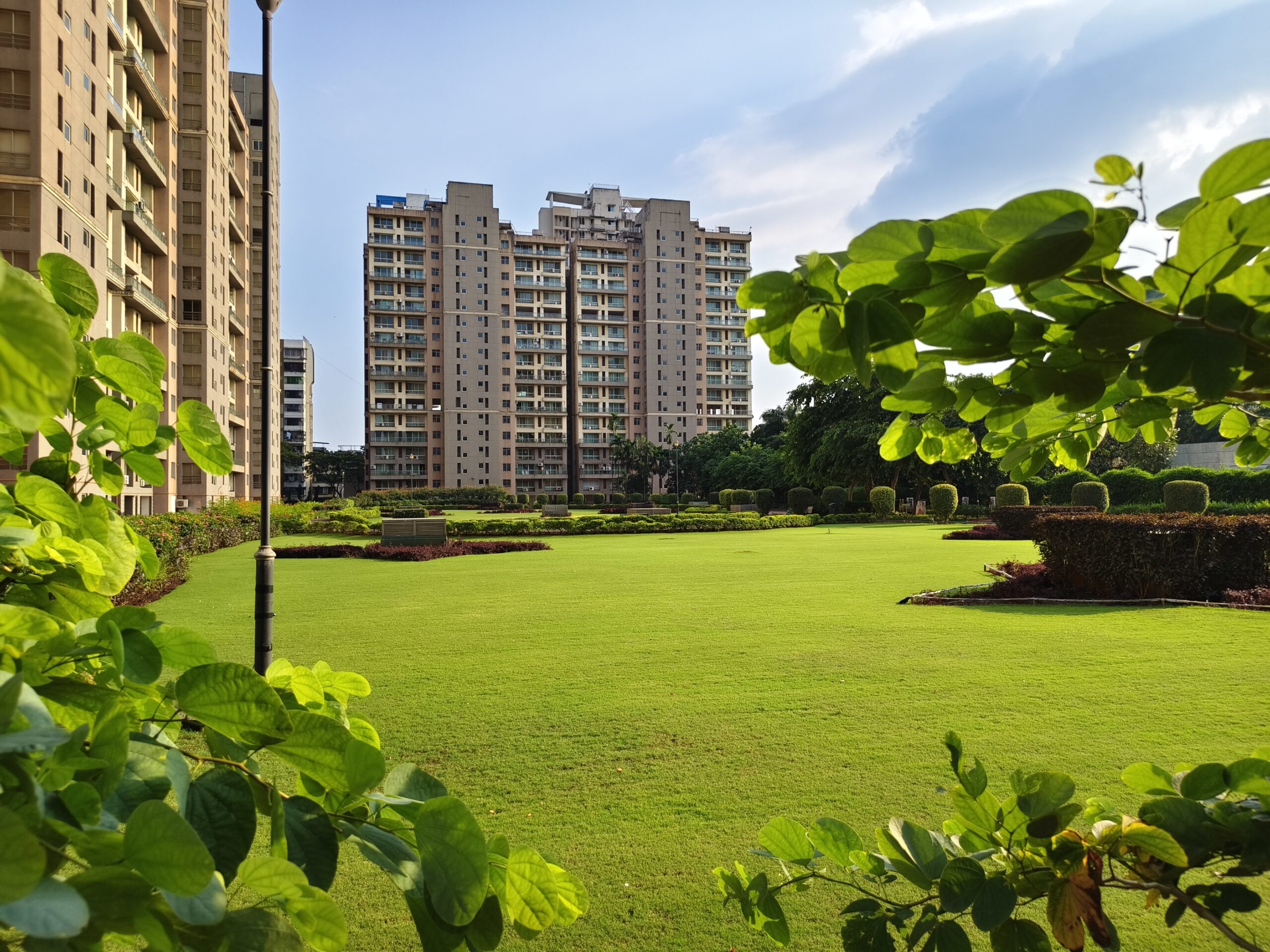

In the relentless concrete mosaic of Mumbai, where the struggle for open space is as intense as the competition for square footage, the concepts of Recreation Grounds (RGs) and Layout Gardens are vital lifelines. These are not merely patches of green; they are legally mandated, meticulously planned public amenities that serve as the lungs and living rooms of the city’s neighbourhoods. The Development Control and Promotion Regulation (DCPR) 2034, the city’s urban planning bible, provides a comprehensive framework for their provision, preservation, and integration into the urban fabric, turning abstract planning ideals into tangible civic assets.
Demystifying the Definitions: RGs vs. Layout Gardens
While often used interchangeably in common parlance, the DCPR 2034 draws a clear distinction between these two types of open spaces, primarily based on their size and function.
- Recreation Ground (RG): This refers to a larger parcel of land, typically over one hectare (10,000 square metres), reserved for active recreational pursuits. Think of the sprawling grounds used for football, cricket, athletics, and other sports. RGs are the district-level recreational hubs, designed to cater to the sporting needs of a larger population catchment area. They are essential for community health, youth development, and hosting larger public events.
- Layout Garden (LG): These are smaller open spaces, usually less than one hectare, intended for passive recreation. Their purpose is to provide areas for walking, sitting, children’s play, and social interaction. Layout Gardens are the neighbourhood-level parks—the intimate, accessible green pockets where residents can find respite without travelling far. They enhance the quality of life, provide a safe environment for children and the elderly, and increase the aesthetic value of a locality.
The Legal Mechanism: Reservation and Acquisition
The genesis of an RG or LG lies in the development or redevelopment of a larger area. When a developer seeks approval for a sizeable project, such as a group redevelopment of old buildings or a township on a large plot, the DCPR 2034 mandates the surrender of a certain percentage of the land to the Brihanmumbai Municipal Corporation (BMC) for public open spaces. This is not a charitable act but a legal obligation.
The regulations specify the proportion of land that must be reserved for these purposes, often calculated as a percentage of the total plot area. Once surrendered, this land is legally designated as a Recreation Ground or Layout Garden on the city’s development plan. The title of the land is transferred to the BMC, ensuring it remains a public asset in perpetuity, protected from future commercial or residential encroachment. This process is a critical tool for the city to systematically acquire and create a network of open spaces, especially in densely packed and rapidly redeveloping suburbs.
Design, Development, and Maintenance Mandates
The DCPR 2034 goes beyond just reserving land; it provides detailed guidelines on how these spaces should be developed and maintained.
- Design Specifications: The regulations often stipulate basic design elements. For Layout Gardens, this can include provisions for paved walkways, shaded seating areas, landscaping with trees and shrubs, and designated play equipment for children. For Recreation Grounds, the focus is on creating level, open grounds suitable for sports, which may include provisions for basic floodlighting, boundary walls, and spectator areas.
- Development Responsibility: In many cases, the initial responsibility for developing the RG or LG as per the BMC’s standards falls upon the developer. This includes levelling the ground, laying turf, installing play equipment, and constructing necessary pathways and fences. The developer must complete this work as a condition for obtaining the final Occupation Certificate for the residential or commercial buildings.
- The Maintenance Model: Once developed, the onus of maintenance shifts to the BMC. However, a unique and increasingly common model facilitated by the DCPR is the concept of “Adoption.” Resident welfare associations or corporate entities can formally “adopt” a nearby RG or LG. Under a formal agreement with the BMC, these groups take on the responsibility for its day-to-day upkeep, landscaping, and security, often injecting more funds and care than the overstretched municipal corporation can provide. In return, they may get naming rights or the satisfaction of directly enhancing their local environment.
Challenges and The Road Ahead
Despite the robust legal framework, the reality on the ground faces challenges. Encroachments, delayed handovers by developers, and inadequate maintenance by civic bodies plague many of these spaces. Legal battles often ensue when existing open spaces, previously used informally by communities, are earmarked for other public infrastructure projects.
The future of RGs and LGs in Mumbai hinges on stricter enforcement, community participation through adoption policies, and innovative design that maximizes the utility of every square metre. As the city grows vertically, these horizontal green spaces become not just amenities, but essential infrastructure for psychological well-being, social cohesion, and ecological balance. The DCPR 2034 provides the legal scaffolding; it is now up to the city’s administrators, developers, and citizens to collectively ensure that the blueprint for green does not fade on the drawing board but flourishes as the verdant heart of Mumbai’s neighbourhoods.