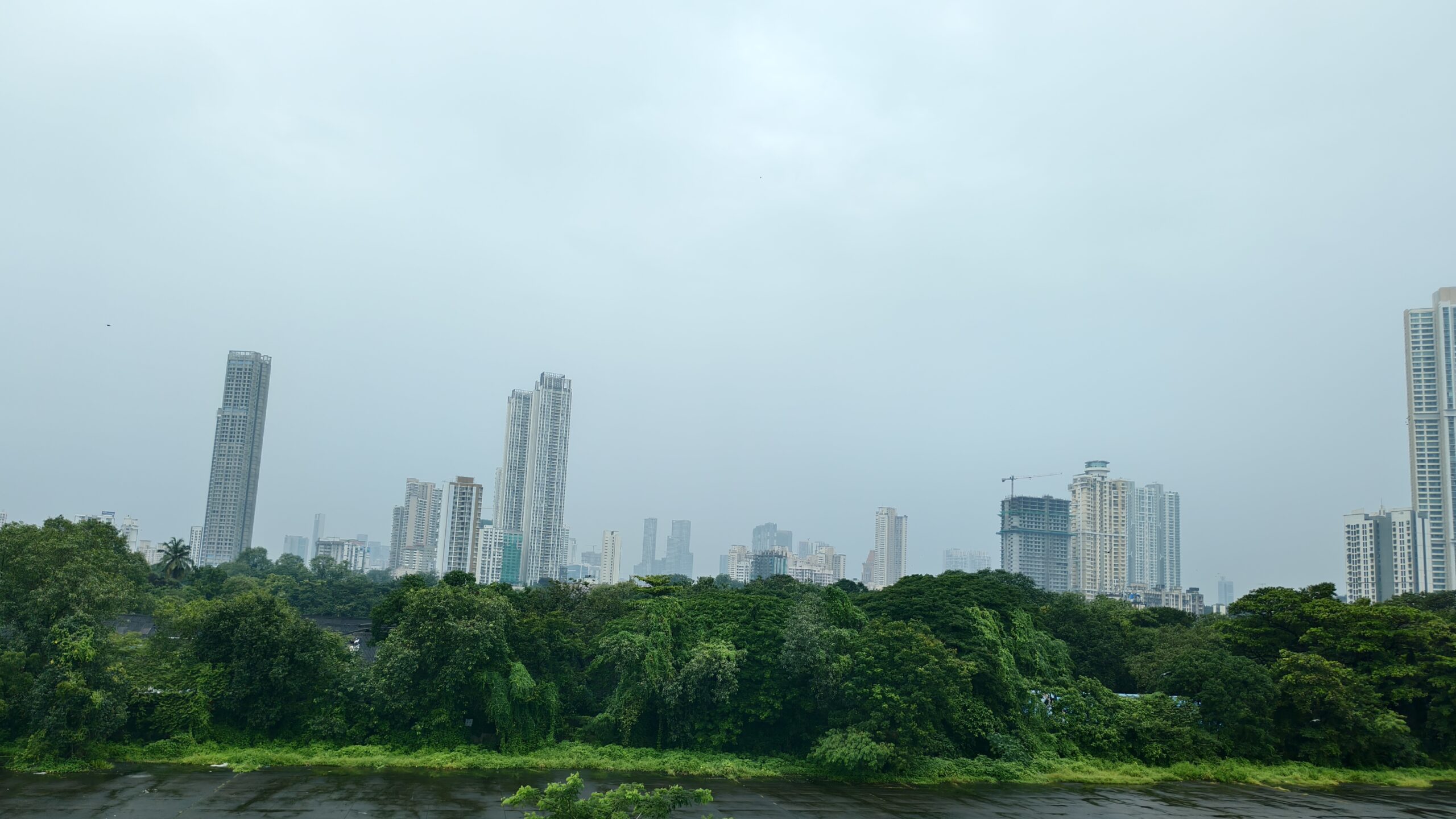

City forests like Mumbai’s Sanjay Gandhi National Park, Delhi’s Aravalli Ridge, and Bengaluru’s Turahalli Forest are not merely geographical features; they are legally contested spaces. Their survival amidst rampant urbanisation is not accidental but is often a direct consequence of judicial intervention. The Indian judiciary, particularly the Supreme Court and various High Courts, has stepped in as a custodian of the environment, shaping the legal landscape that protects these vital green lungs.
Here is a superficial overview of the pivotal judicial rulings that have defined this battle for preservation.
1. The Foundational Doctrine: The Forest Conservation Act, 1980 & The Godavarman Case
While not about a single city forest, the Supreme Court’s intervention in T.N. Godavarman Thirumulpad vs Union of India (1996) is the bedrock of modern Indian forest law. The case expanded the definition of “forest” far beyond official records to include any area that is a forest in the dictionary sense, regardless of ownership. This was a seismic shift.
Impact on City Forests: This ruling brought countless urban green patches, deemed “wasteland” or “unclassified forest” by authorities, under the protective umbrella of the Forest (Conservation) Act, 1980. Any non-forest activity (construction, mining, etc.) in these areas now requires central government approval, creating a significant legal hurdle for developers and municipal bodies eyeing city forest land.
2. The Delhi Ridge: M.C. Mehta vs Union of India
The preservation of Delhi’s Aravalli Ridge, the city’s most critical ecological shield against desertification and air pollution, is largely credited to the relentless litigation by environmentalist M.C. Mehta. A series of orders in the 1990s:
Demarcation and Protection: The Supreme Court mandated the physical demarcation of the entire Ridge boundary to prevent encroachment.
Cessation of Mining: It ordered the immediate stoppage of all mining activities in the Ridge area, which were causing irreversible ecological damage.
Creation of a Monitoring Committee: The court established a Ridge Management Board to oversee its protection, ensuring continuous judicial supervision.
Impact: This case set a precedent for the active, continuous role of the judiciary in managing a specific urban forest, transforming the Delhi Ridge from a threatened territory into a legally fortified zone.
3. The Mumbai Mangroves: A Proactive High Court
The Bombay High Court has been particularly proactive in protecting Mumbai’s fragile coastal ecosystem, including its mangrove forests.
Public Interest Litigation (2005): In a landmark order, the Court declared all mangrove areas in Maharashtra as “protected forests” and imposed a blanket ban on their destruction.
Demolition of Encroachments: The Court ordered the systematic demolition of encroachments on mangrove land, often targeting large-scale illegal construction projects.
Creating Buffers: It mandated the creation of a buffer zone around mangrove patches to prevent further degradation from adjacent development.
Impact: This turned the Vikhroli Mangroves and other such patches from neglected wetlands into fiercely guarded ecological assets, with the court itself monitoring compliance through state agencies.
4. The “Polluter Pays” and “Precautionary Principle”: Vellore Citizens Welfare Forum vs Union of India (1996)
Though concerning industrial pollution in Tamil Nadu, this Supreme Court judgment entrenched two crucial legal principles into Indian environmental jurisprudence:
The Precautionary Principle: Mandates that lack of scientific certainty should not be used as a reason to postpone cost-effective measures to prevent environmental degradation. In the context of city forests, this principle shifts the burden of proof onto the developer to show their project will not harm the forest, rather than on citizens to prove it will.
The Polluter Pays Principle: Makes the party responsible for pollution (or environmental damage) bear the cost of remedying it.
Impact: These principles empower courts to halt projects near city forests on a precautionary basis and impose heavy fines for any ecological damage caused, acting as a powerful deterrent.
5. The Recognition of Fundamental Right: A Subset of Article 21
Through a series of judgments, the Supreme Court has consistently held that a pollution-free environment is an integral part of the Right to Life under Article 21 of the Constitution.
Impact: This elevates the protection of city forests from a mere environmental concern to a fundamental right of every citizen. It provides a direct constitutional basis for citizens to challenge any activity that degrades the air quality, water security, and biodiversity provided by these urban forests.
Conclusion: A Fragile Shield
The green cover of modern Indian cities is, to a significant extent, a judicial creation. The courts have acted as a crucial counterweight to the pressures of urban development, establishing legal doctrines, creating monitoring bodies, and empowering citizens.
However, this protection remains superficial and fragile. Court orders are often met with delays, bureaucratic inertia, and persistent attempts at encroachment. The legal battles are continuous, reflecting a deeper societal conflict between the imperative for development and the necessity of ecological preservation. The city forests stand today not just as natural wonders, but as monuments to the power and perseverance of judicial environmentalism in India.