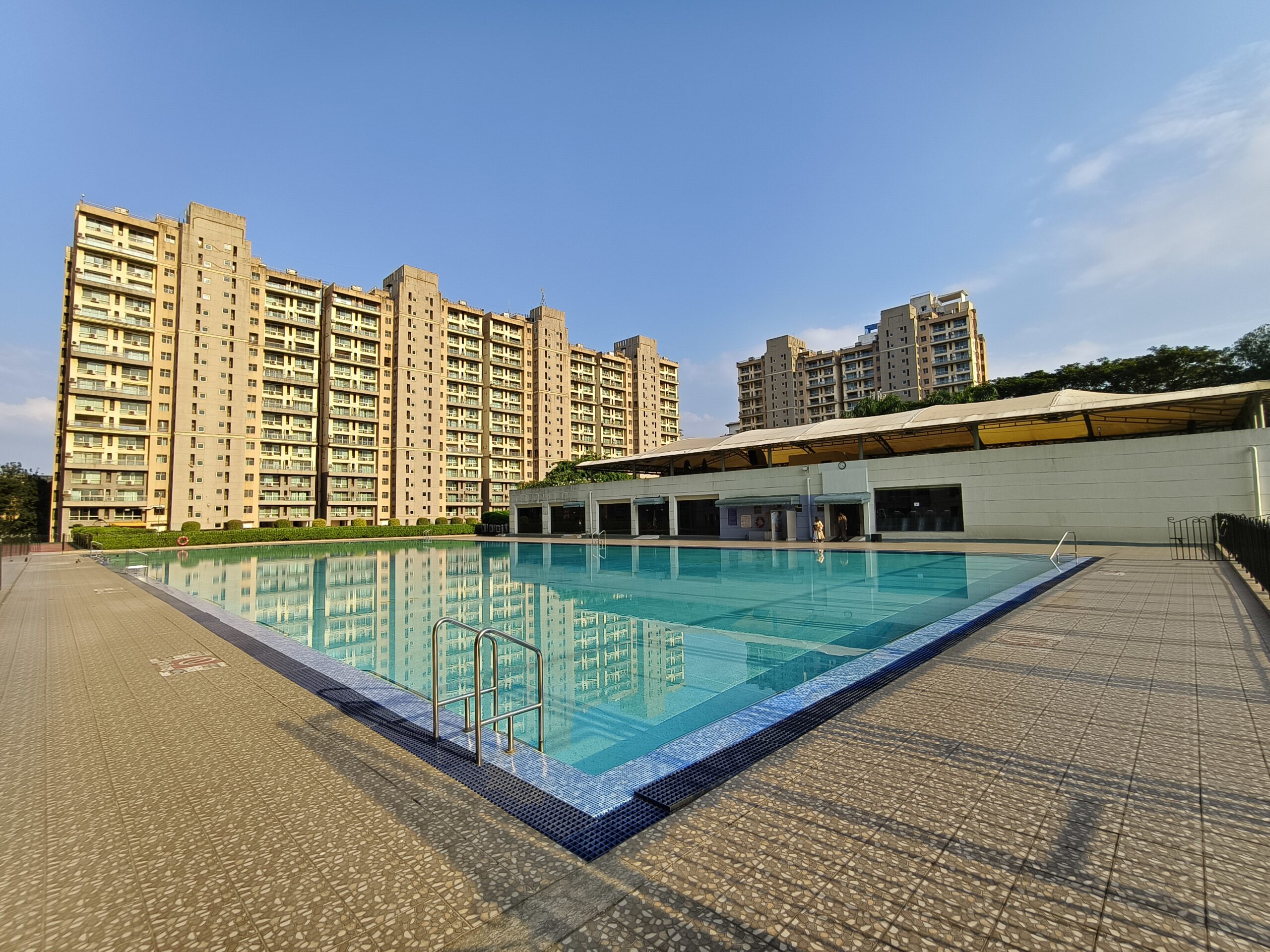

When we picture an ideal gated community or a modern residential complex, a shimmering swimming pool is almost always part of the vision. For decades, it has been a hallmark of aspirational living, a symbol of leisure and luxury. However, to view a pool merely as an aesthetic amenity is to overlook its profound and multifaceted role in contemporary urban life. In today’s concrete jungles, the swimming pool has evolved into a vital hub that enhances property value, fosters community, and promotes holistic well-being for residents of all ages.
Beyond the Price Tag: A Tangible Asset
The most straightforward advantage of a swimming pool is its impact on property value. A well-maintained pool is a significant differentiator in a competitive real estate market. For potential buyers or tenants, it signals a lifestyle upgrade—a commitment to quality living from the developers. Properties within complexes that boast a pool often command a premium, both in terms of sale price and rental yield. It’s not just about the water; it’s about the promise of a resort-like experience available at one’s doorstep. This perceived value makes the investment in a pool a strategic one for developers and a valuable asset for individual homeowners, future-proofing their investment.
The Social Current: Weaving the Fabric of Community
Perhaps the most underrated function of a swimming pool is its power as a social catalyst. In an era where high-rise living can often lead to isolated lives, with neighbors being strangers, the pool area becomes a modern-day village well. It is a natural, informal gathering spot.
For children, the pool is a playground where summer friendships are forged. It’s where they learn to share pool toys, play games, and create memories that define their childhood. For parents, the poolside becomes a communal living room. It’s a space where they can relax while supervising their children, leading to spontaneous conversations with other parents, sharing tips, and building a support network. For young professionals and retirees, it offers a neutral ground for interaction, leading to book clubs, walking groups, and other community activities that might not have otherwise formed.
This organic interaction builds a strong sense of belonging and security. When residents know each other, they look out for one another, creating a safer, more cohesive environment. The pool, therefore, is not just a body of water but the very current that connects the community.
An Oasis of Wellness: Mind, Body, and Soul
The health benefits of swimming are well-documented. It is a low-impact, full-body workout that improves cardiovascular health, builds endurance, and strengthens muscles. For residents who may find it difficult to commute to a gym, having a pool within the complex removes a major barrier to regular exercise. From seniors seeking gentle aquatic therapy to fitness enthusiasts doing laps at dawn, the pool serves as a versatile health club.
However, the wellness benefits extend beyond the physical. The mental and psychological value of a blue, open space in a grey urban landscape is immense. The serene sight and sound of water have a proven calming effect, reducing stress and anxiety. After a long, hectic day, a few minutes by the pool can serve as a powerful mental reset. It is an accessible oasis—a private retreat where one can decompress, read a book, or simply watch the sky reflect on the water, offering a crucial escape from the pressures of daily life.
A Family Amenity for All Seasons
The utility of a pool is not limited to the summer months. A well-designed pool area can be a year-round amenity. During the scorching heat, it provides a necessary respite and a fun way to cool down. In cooler evenings, the ambiance of a lit pool can create a magical setting for a stroll or an evening out without leaving the complex. Furthermore, many modern complexes are now incorporating dedicated toddler pools or splash pads, making the area safe and enjoyable for even the youngest residents. This inclusivity ensures that every member of the family, from toddlers to grandparents, has a reason to use and enjoy the facility.
Conclusion: The Ripple Effect
The swimming pool in a residential complex creates a powerful ripple effect. It begins by enhancing the tangible value of the property, ripples out to strengthen the social bonds between residents, and finally, touches the inner lives of individuals by promoting their physical and mental health. It is a space for play, for exercise, for socializing, and for solitude.
Far from being a superfluous luxury, a swimming pool has become a fundamental component of holistic urban living. It is the community’s heart—a vibrant, dynamic space that doesn’t just add to the quality of the infrastructure, but profoundly enhances the quality of life itself. In building a pool, developers are not just filling a concrete tank with water; they are investing in the health, happiness, and harmony of the community that will call it home.